
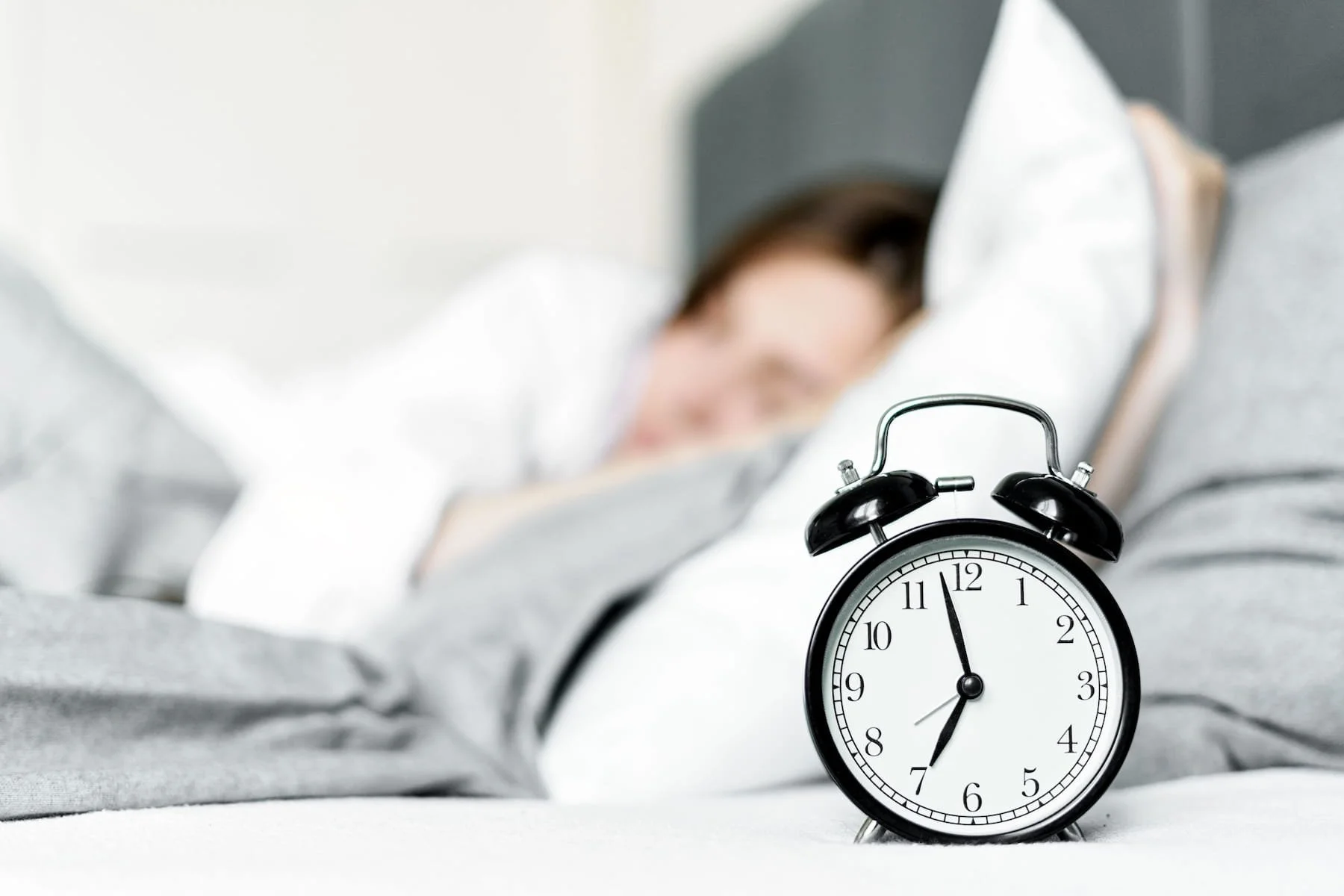
“The best bridge between despair and hope is a good night’s sleep.” – E. Joseph Cossman
“I used to be able to sleep like a baby, but now sleep is elusive, and I get anxious when it’s bedtime, wondering if it will be another night staring at the ceiling.” In my practice, one of the concerns that often comes up is sleep difficulties, especially during high-stress times. Instead of looking forward to rest after a busy day, clients sometimes talk about how they dread bedtime due to recent struggles with getting a good night’s sleep. It can become a negative cycle, with the anxiety about not being able to sleep becoming yet another thing that keeps one awake! It is not uncommon in a stressful situation, such as feeling overwhelmed at work, relationship difficulties, financial insecurity, job insecurity, or family crisis, to have temporary difficulty either falling asleep or staying asleep.
Getting enough sleep is important to be able to function well. Long term, chronic insomnia can affect physical and mental health. Increased risk of high blood pressure, heart disease, diabetes, weight gain, and decrease in immune system are just some of the ways that sleep deprivation can affect physical health. Drowsiness from lack of sleep also can cause car crashes or accidents while using heavy equipment. Lack of sleep can also contribute to anxiety, depression, foggy thinking, difficulty concentrating, and irritability. (https://www.hopkinsmedicine.org/health/wellness-and-prevention/the-effects-of-sleep-deprivation).
For chronic or serious sleeplessness, talk to your medical provider to evaluate medical conditions that may be causing problems with sleep and to discuss possible solutions. For temporary sleep difficulties related to stressful situations or chronic insomnia, the following tips may help you get a better night’s rest.
Have a consistent bedtime, even on weekends and off days.
Avoid stimulants such as coffee and energy drinks in the afternoon as well as alcohol. Many people believe alcohol helps with sleep, but it actually disrupts normal sleep patterns.
Sleep comes easier in a cooler room, so decrease the temp a bit before bedtime. Help your room feel like a calm space by removing clutter, taking electronics such as cell phones, iPads, etc into another room, and using black-out curtains or blinds.
Instead of lying awake, try getting up and reading until drowsy before going back to bed.
Apps such as Calm have sleep stories, meditations, and calming music that may help you fall asleep.
Exercise earlier in the day, keeping active helps your body feel tired and ready for sleep.
Avoid heavy meals late in the day.
If you find your thoughts “spinning”, or ruminating, visualize your thoughts floating away on a cloud, and replace them with images of yourself in a place where you feel most peaceful, such as the beach or by a mountain stream. Use all five senses to picture the details of what you would see, hear, smell, feel and taste in that scene. Many people find this exercise relaxes them, takes them out of the thought loop and they fall asleep.
Avoid lying in bed watching tv or playing on your phone right before bedtime, as the light from those devices may make it more difficult to fall asleep.
Hopefully, practicing these tips will help you get a good night’s sleep. Some nights are better than others, however, if you continue having difficulty, talk with your medical doctor.
Sweet dreams!